
Now that startups are quietly shutting down across Africa — some that raised $20M, $45M, $85M+ — it's time to address the elephant in the room.
The venture capital model is not built for this continent. It never was.
It was designed in Silicon Valley, for Silicon Valley. It operates on a set of assumptions: stable currencies, deep capital markets, mature infrastructure, functioning legal systems, and consumers with growing purchasing power. None of those conditions exist consistently across African markets. Yet someone decided to bring the model to Nairobi. To Lagos. To Accra. To Johannesburg. And everyone just assumed it would work.
It didn't. Over $200 million in investments were lost from just 15 African tech startups in 2023 alone. Between 2023 and 2024, 29 startups shut down across the continent. Funding dropped by almost 60%. The number of active investors fell by nearly half — from 987 in 2022 to 527 in 2023. And the startups that died weren't small. They were the ones everyone celebrated. Raised the most. Burned the most. Had the least to show for it.
The Playbook That Killed Them
The Silicon Valley playbook is simple: raise capital, subsidise growth, capture market share, worry about profitability later. In markets with stable currencies and deep investor pools waiting to fund the next round, this works — sometimes. In Africa, it's a death sentence.
Currency instability means your costs can double overnight while your revenue stays flat. Regulatory environments shift without warning. Consumer purchasing power shrinks every quarter. The runway you raised for 18 months burns in 9.
This is exactly what happened to the startups that adopted the growth-at-all-costs model. Dash, a Ghanaian fintech that raised a record $32.8 million seed round, collapsed after investigations revealed fabricated user metrics and misappropriated funds. 54Gene raised $45 million for genomics research and shut down due to financial mismanagement. Sendy, a Kenyan logistics startup, burned through $26.5 million before going into administration. These weren't failures of ambition. They were failures of applying a model designed for one reality to a completely different one.
And When It Fails, the Cost Is Not Shared
Every time a VC-backed startup in Africa fails, the consequences fall unevenly.
The founder loses everything. Reputation. Years of work. Personal finances. In most cases, they never get another chance. A failed founder in Lagos doesn't get the Silicon Valley second-chance narrative. They get a headline on a tech blog saying they squandered investor money. Their name dragged across every ecosystem group chat. Their reputation destroyed before anyone asks what actually happened. No new funding. No second chance. No comeback story. Just public ruin and a closed door.
The employees lose their jobs. The customers lose the service. The local economy loses the momentum.
The VC? The VC collected management fees from day one. Typically 2% of the fund annually — regardless of outcome. Raised in dollars. Deployed in dollars. Partners got paid whether the startup lived or died. If one company in the portfolio hits, it covers all the losses. If none hit, the fees were already collected.
Failure is only "part of the model" for one side. You cannot import the risk tolerance of a wealthy economy into a developing one and call the casualties "part of the process."
The Conditions Everyone Ignores
Africa is not that developed. And why would it be, when the only thing people do is extract from it without giving anything in return?
The continent deals with currency instability that can erase margins overnight. Regulatory frameworks that change without notice. Infrastructure gaps that make scaling operationally expensive. Consumer bases whose purchasing power is under constant pressure from inflation. These are not excuses. They are the conditions that any capital model needs to be designed around — not in spite of.
The VC model ignores all of them. It assumes the road is smooth and paved. In Africa, the road doesn't exist yet. That's why the data tells the story it does. In 2022, African tech startups raised $3.33 billion across 633 funded ventures. By 2023, that dropped to $2.4 billion across just 406 ventures — a 28% decline in funding and a 36% decline in the number of startups that received capital. By the first half of 2024, African tech startups secured just $780 million — the lowest since late 2020 and a 57% decrease compared to the same period in 2023. The exits that are supposed to justify the model? In 2023, there were only 15 acquisitions — down 61.5% from 39 in 2022. IPOs, both in Africa and globally, have dried up. The path to returns that the VC model depends on barely exists on the continent.
What Actually Works
The businesses that are still standing — the ones generating real revenue, serving real customers, building sustainable operations — are overwhelmingly the ones that were never dependent on venture capital in the first place.
People keep asking when Africa will have a capital model that actually works for African founders. As if someone needs to design it in a boardroom and roll it out at a conference. It already exists. Founders are already doing it. They're bootstrapping. Using revenue to fund the next stage. Building lean and scaling smart. Proving demand before building product. Building businesses that survive because they were built to generate money, not to generate pitch decks.
Dangote didn't build the largest fortune in Nigeria with venture capital. Tony Elumelu didn't build his empire waiting for a seed round. They built with commercial bank loans, retained earnings, and patience. The model that works in Africa has always existed. It just doesn't have a TechCrunch feature or a demo day stage.
Final Word
The venture capital model as it currently operates is not designed for Africa. The data proves it. The shutdowns prove it. The distribution of consequences proves it.
For those still convinced the right fund is the missing piece — it's not coming. At least not in this era.
Build your business. Generate revenue. Serve your customers. Let the results speak.
The market doesn't care who funded you. The market cares whether you can deliver.
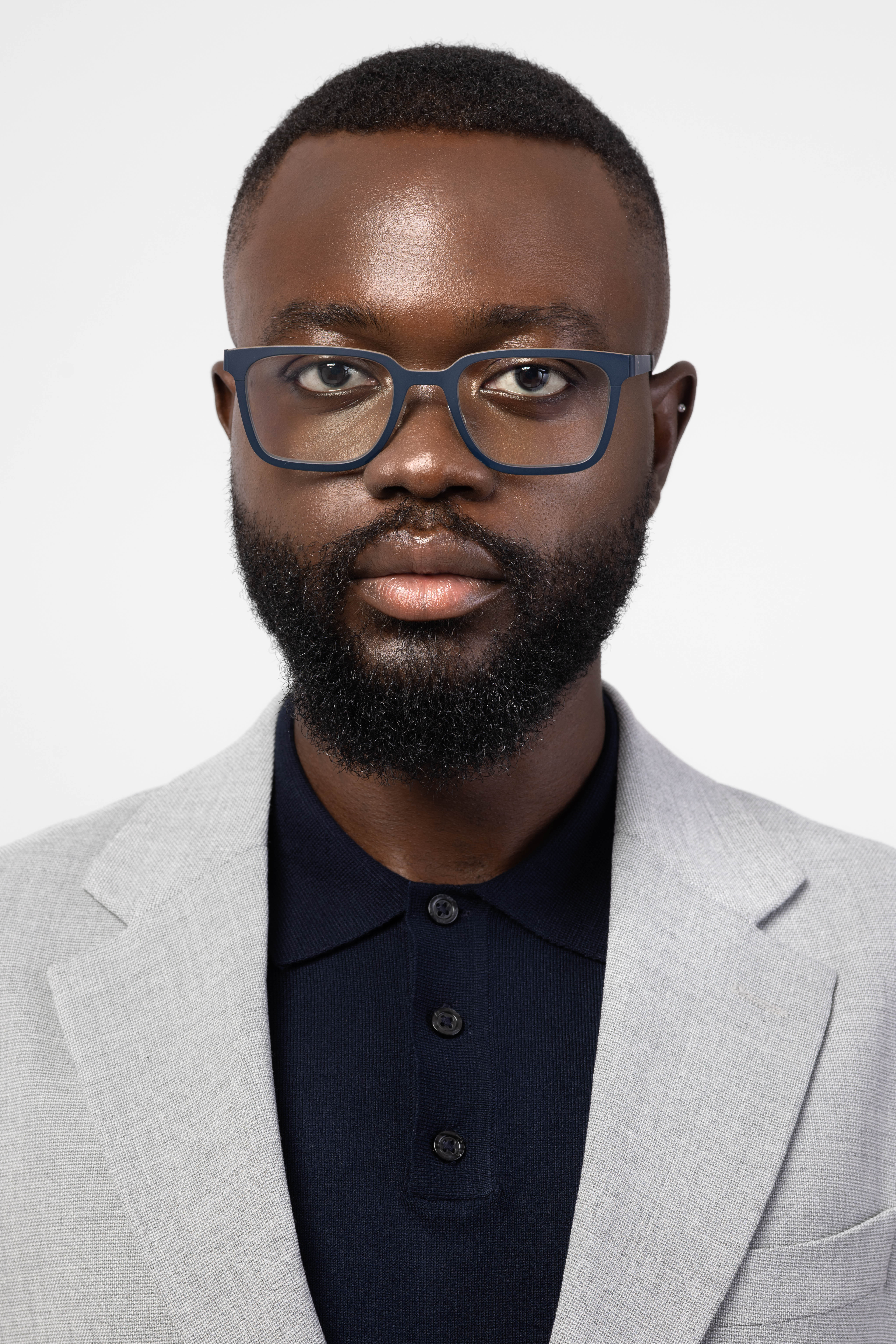
Founder & CEO of SAVA Global.
Copy link